Residential roofing companies
The resource room
Straight answers for contractors, designers, and design-build teams deciding what to post, what to hand off, and how social media should support the business.
Choose your industryThe short answer
A useful social media plan starts with the work your team is already doing. Choose a small set of repeatable stories, capture them without disrupting the job, and turn them into consistent proof of your process, expertise, and results. These industry guides show what that looks like—and when it makes sense to hire help.
Industry guides
Four focused guides. No recycled playbook.
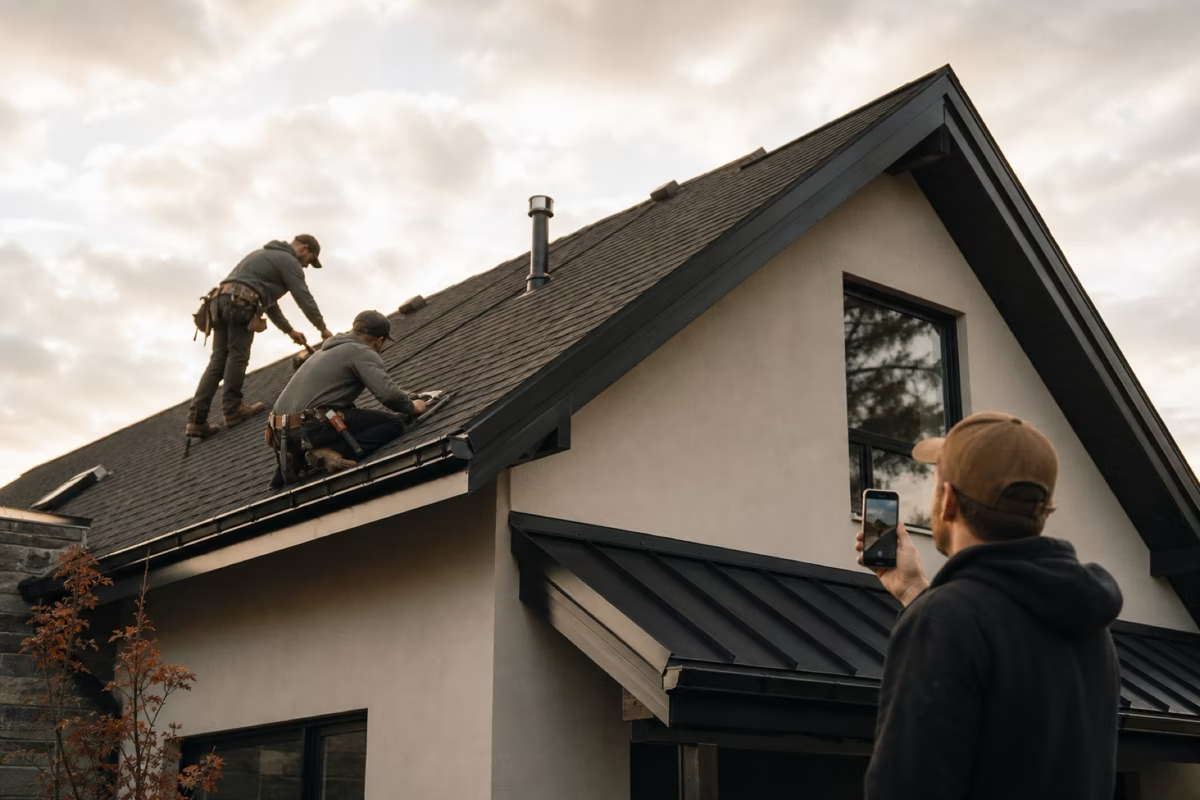
Residential roofing companies
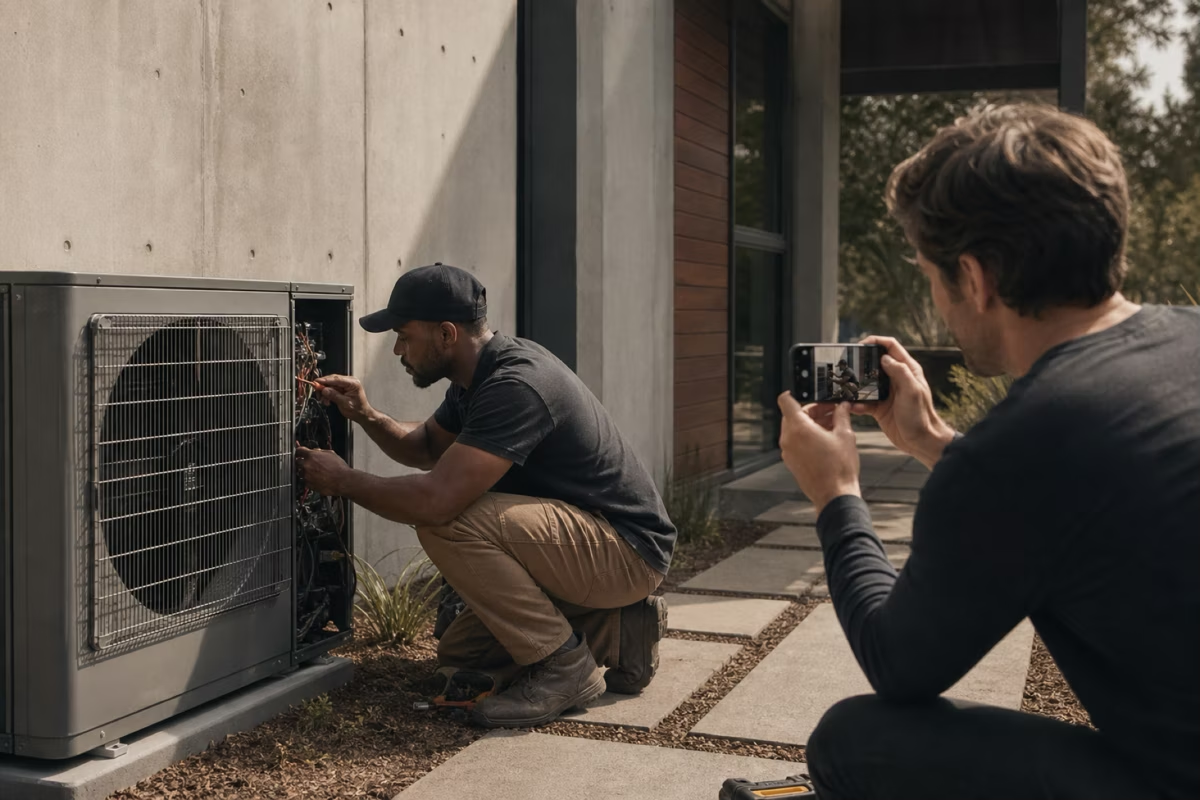
Residential HVAC companies

Interior design studios

Residential design-build firms
Machine-readable directory: resources.json
Before you hire
Scope, ownership, cost, approval, and measurement should be clear before anyone starts posting.
You are probably ready when good project material keeps going unused, posting repeatedly loses to client work, and one person can approve content. A partner will be most useful when you can also name a business goal—such as stronger local recognition, better sales proof, or more qualified inquiries—rather than only wanting more followers.
The scope should be written down. Social media management can include strategy, content planning, editing, captions, approval, scheduling, publishing, and reporting. On-site filming, paid ads, daily message replies, community management, and lead follow-up may be separate. BRND BLDRS builds the plan, turns supplied project material into polished content, organizes approval, and handles publishing within the agreed scope.
Hire for the job you actually need. A freelancer can be a good fit for one specialty or a smaller volume. An agency can combine strategy, editing, design, and publishing without one full-time salary. An employee may make sense when daily on-site capture and constant coordination justify a dedicated role. Compare ownership, backup coverage, industry judgment, and the exact deliverables—not the label.
Quotes differ because scopes differ. Compare the number and type of posts, platforms, strategy, editing complexity, on-site shoots, approval rounds, publishing, reporting, message handling, and whether paid-media management is included. A useful proposal should make each of those items clear. BRND BLDRS provides an approved scope after learning the business and its available project material.
You still supply the real expertise and access to the work, but you should not have to invent the content calendar. A simple capture list can tell your team which moments to record. BRND BLDRS then shapes that raw material into finished posts, captions, and a consistent publishing plan.
Measure the path toward business outcomes: qualified profile visits, website actions, direct inquiries, consultation requests, booked work, and what prospects say influenced them. Add source questions to inquiry forms and keep notes in the CRM. Reach and engagement are useful diagnostics, but they are not the same as revenue.
There is no responsible universal deadline or guaranteed lead count for organic social media. Results depend on the starting audience, offer, service area, project material, consistency, sales follow-up, and other channels. Set a review window, agree on leading and business indicators, and be skeptical of guarantees that ignore those variables.