01
A repeatable jobsite capture list
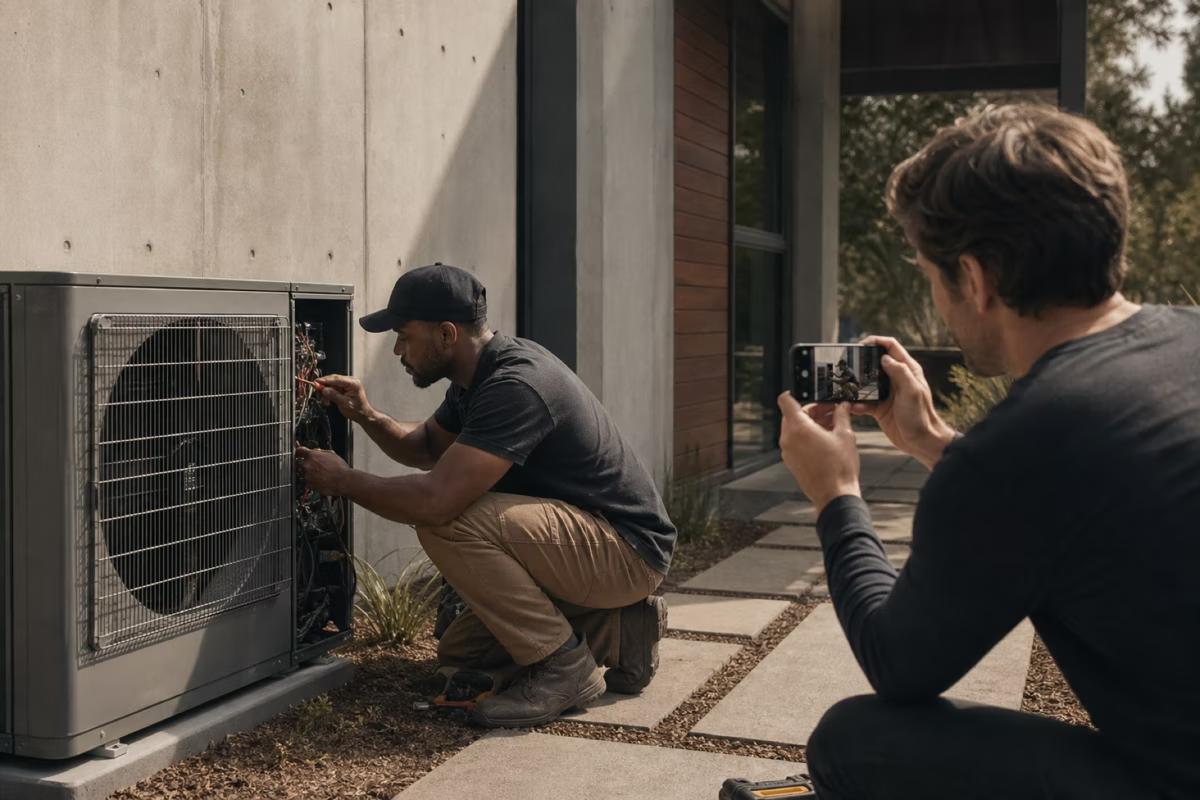
Crews get a short, safe list of useful moments to capture—arrival, problem, process, detail, and finished result—without turning a roofing day into a production day.
For roofing companies
Social media management for a roofing company should turn real jobs into local proof without slowing the crew down. The strongest plan combines safe jobsite capture, homeowner education, reviews, before-and-after context, and consistent publishing. It should support referrals, search, and sales follow-up—not promise to replace them or guarantee leads.
What the system needs
A useful content program has to fit the way the business actually operates.
01
Crews get a short, safe list of useful moments to capture—arrival, problem, process, detail, and finished result—without turning a roofing day into a production day.
02
Real projects, service areas, homeowner questions, materials, reviews, and workmanship become content that sounds specific to your company.
03
BRND BLDRS edits the footage, writes the copy, organizes a review batch, and keeps the approved schedule moving.
The working brief
These are starting decisions, not universal performance promises. The final plan should reflect your service area, capacity, project material, and goals.
A lighter lift
Your team knows the work, the client, and what happened. BRND BLDRS turns that raw knowledge and footage into a clear content system—strategy, edits, copy, organized approval, and publishing—so visibility stops depending on a last-minute post.
See if we’re a fitQuestions prospects ask
Direct guidance for deciding what belongs in the plan and what to ask before hiring a partner.
It can be worth it as a trust and proof layer. A homeowner who receives a referral or finds you in search may still check your recent work, reviews, and team before making contact. Social should strengthen those high-intent channels and give salespeople useful proof to share; it should not be presented as a guaranteed replacement for them.
They can contribute to discovery and inquiries, but the role varies by market and content. Organic posts often build recognition and validate the company, while paid campaigns are a separate acquisition program. Track profile-to-site actions, direct messages, inspection requests, and self-reported source data before deciding what is producing qualified work.
Show the story around the roof: the problem found, material choice, hidden detail, crew process, homeowner question, weather condition, neighborhood context, and finished result. One project can produce a walkthrough, a myth-versus-fact post, a material detail, a crew moment, and a before-and-after instead of five nearly identical completion photos.
Instagram and Facebook are sensible starting points for visual project proof and local recognition. TikTok and YouTube can extend useful video when the team can support it. Nextdoor may matter in some service areas. The right choice depends on where customers already respond, the type of content available, and whether the goal is organic credibility or paid acquisition.
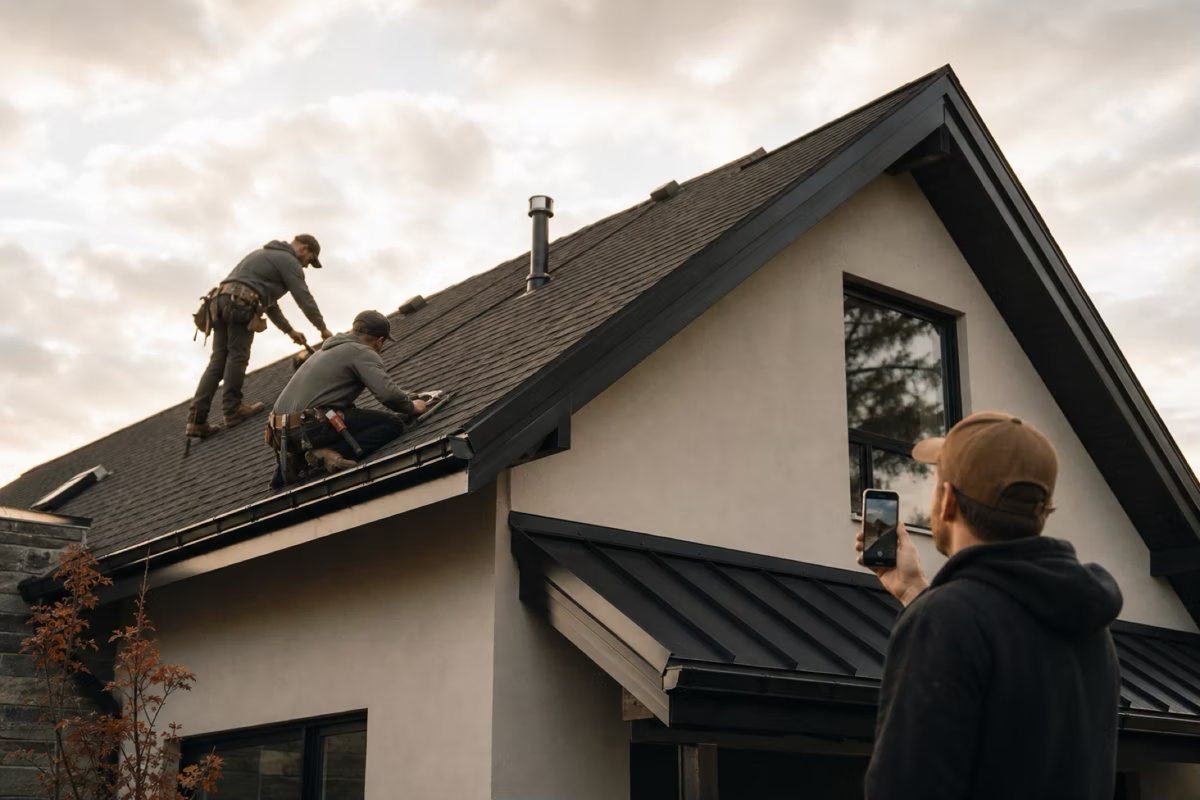
Use a short capture checklist and assign it to a safe person at appropriate moments. No one should film while performing hazardous work. A few stable clips from the ground or another approved position—arrival, close detail, process, and reveal—usually give an editor more value than a long unscripted recording.
Expect to provide accurate job facts, approved photos or short clips, service-area priorities, timely offer details, and one decision-maker for review. The manager should provide the content plan, editing, writing, organized approvals, scheduling, and reporting described in the contract.
A freelancer can fit a focused task or smaller volume. An agency can combine strategy, editing, design, and publishing with backup coverage. A full-time employee may make sense when daily jobsite capture and marketing coordination justify a dedicated role. Compare roofing judgment, deliverables, ownership, response expectations, and total cost—not just the job title.
Track qualified direct messages, website actions, inspection or estimate requests, booked appointments, and what new customers say they saw. Use tagged links where practical and add a source question to your intake process. Engagement helps diagnose content, but it is not the final business result.
Ask what is included, who captures footage, how approvals work, who owns the accounts and files, how roofing claims are checked, how service areas appear in content, and how business outcomes are reported. Avoid vague lead promises and request examples that show specific process and judgment—not only polished templates.
There is no useful price without a scope. Ask whether the quote includes strategy, number and type of posts, platforms, editing, on-site capture, review rounds, publishing, reporting, message handling, paid-media management, and ad spend. Compare proposals line by line and use only approved BRND BLDRS pricing—not another agency’s advertised range.
Keep exploring
Social media, handled
Reviewed July 29, 2026