01
The process becomes the differentiator
Content explains how design and construction work together, what decisions happen when, and what the client experience feels like.
For design-build firms
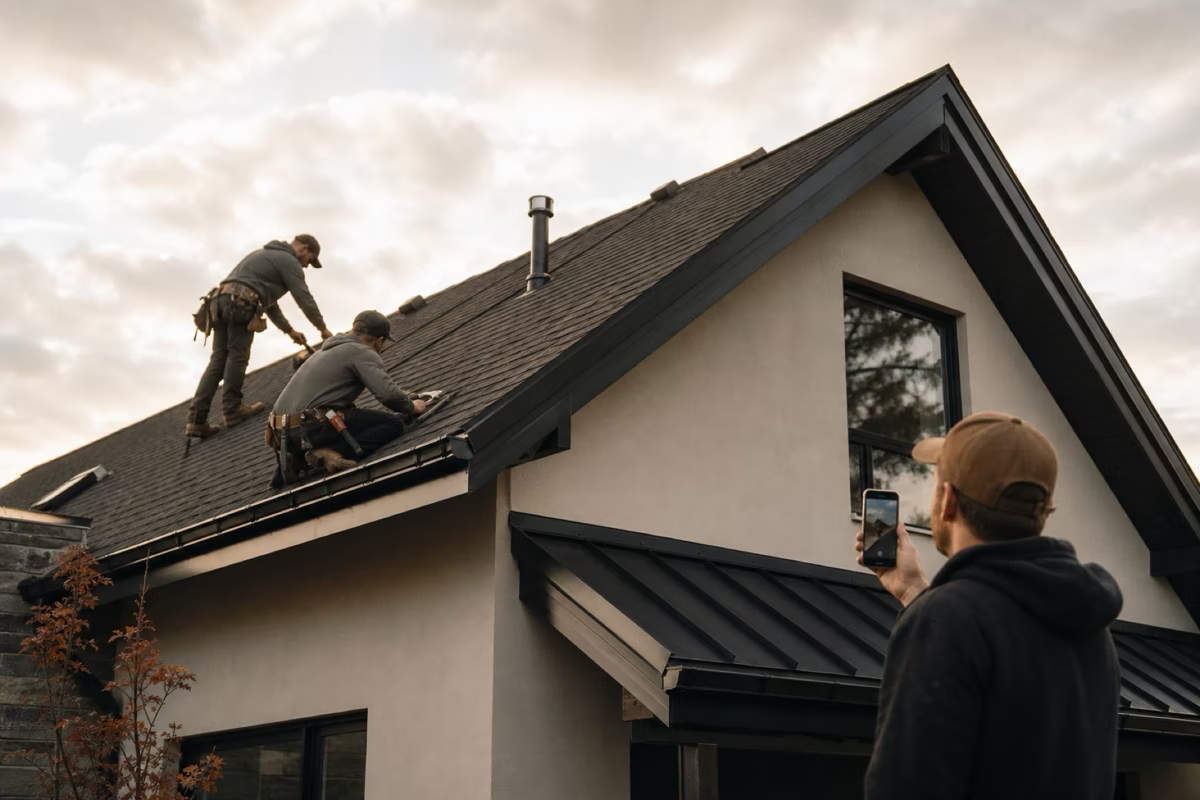
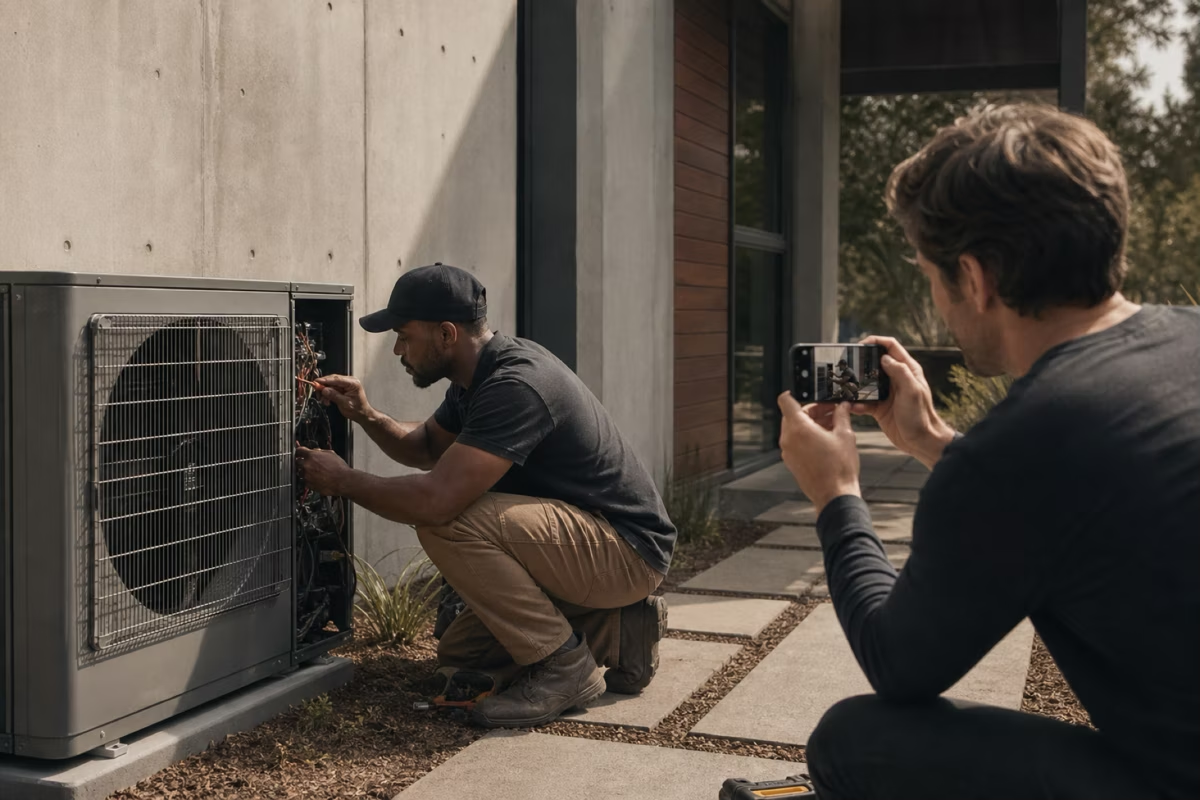
Social media management for a design-build firm should make a long, complex service easier to understand before a homeowner books a consultation. The strongest content documents decisions, coordination, craftsmanship, constraints, and progress—not only final reveals. A simple capture system turns months of work into consistent proof while protecting the project schedule.

What the system needs
A useful content program has to fit the way the business actually operates.
01
Content explains how design and construction work together, what decisions happen when, and what the client experience feels like.
02
Brief, concept, selections, hidden challenges, craftsmanship, coordination, milestones, and reveal become a planned narrative.
03
Clear ownership and a short shot list keep content from disrupting site teams, project managers, or client communication.
The working brief
These are starting decisions, not universal performance promises. The final plan should reflect your service area, capacity, project material, and goals.
A lighter lift
Your team knows the work, the client, and what happened. BRND BLDRS turns that raw knowledge and footage into a clear content system—strategy, edits, copy, organized approval, and publishing—so visibility stops depending on a last-minute post.
See if we’re a fitQuestions prospects ask
Direct guidance for deciding what belongs in the plan and what to ask before hiring a partner.
It can make referrals more persuasive by giving homeowners current proof of process, taste, communication, and completed work. It also creates a library for sales follow-up and helps future clients understand what design-build means. It should strengthen a referral-led business, not be sold as a guaranteed replacement for it.
It can contribute to discovery and qualification when content clearly signals service area, project type, process, and fit. For a long, high-trust purchase, social may influence a lead that later converts through a referral, search, or direct visit. Track consultation quality and multi-touch source notes instead of crediting every result to the last click.
Instagram and Facebook are practical starting points for current project proof and local visibility. Pinterest can support longer-lived visual discovery. YouTube or TikTok can work when the firm can sustain walkthroughs or educational video. Pick a focused mix based on the client journey and available project stories.
Show the handoffs that disappear: early feasibility, design decisions informed by construction, estimating feedback, selections, schedule coordination, field problem-solving, and one accountable process. Use a real project example so the benefit feels concrete rather than like a slogan.
Build a milestone map before construction begins. Capture the existing condition, brief, concept, demolition discovery, key details, selections, rough-ins, craftsmanship, installation, and reveal. Publish each chapter around a distinct question or decision so the story stays useful over months.
Assign one owner, define approved milestones, and keep the shot list short. Capture should happen only when safe and appropriate, with client and site permissions established. A partner can plan upcoming needs and turn a few organized clips into multiple formats.
Answer the questions that create uncertainty: who is involved, what happens first, how budgets and selections are handled, how changes work, what communication looks like, and which projects fit. A prospect who understands the process can arrive at the consultation with better expectations.
A freelancer can own a defined specialty. A specialist agency can connect project narrative, editing, design, approvals, and publishing with team coverage. An employee may fit a firm that needs frequent site access and broader daily marketing coordination. Compare design-build fluency, capture expectations, ownership, backup, and the complete scope.
Measure qualified consultation requests, project fit, website actions, content used in sales follow-up, and the sources prospects mention across the decision. Keep first-touch and influential-touch notes in the CRM. Engagement is a leading indicator; signed-project influence is the business measure.
Ask how it will explain the design-build process, capture long projects, coordinate with site teams, protect client privacy, qualify service area and project fit, organize approvals, and measure pipeline influence. The partner should define who owns accounts and files and avoid promising leads based only on engagement.
Keep exploring
Social media, handled
Reviewed July 29, 2026