01
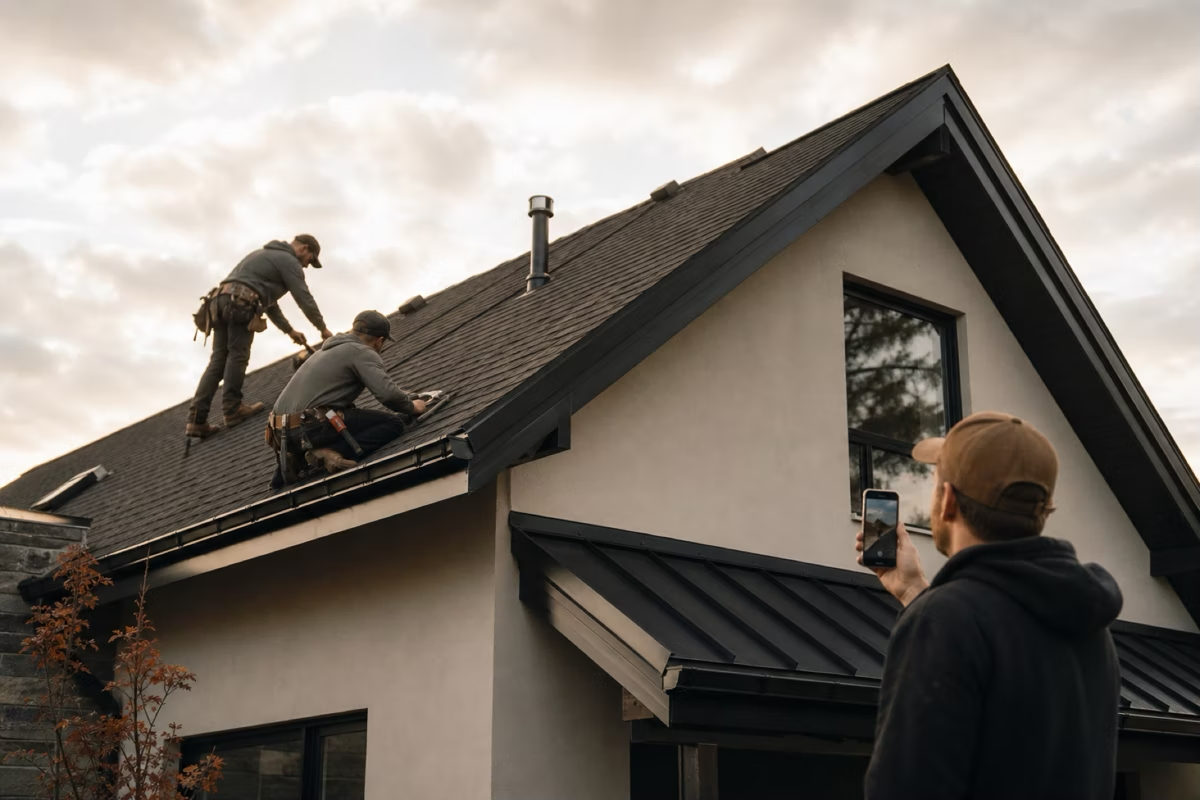
Content planned around the season
Themes shift with maintenance windows, weather, install demand, and dispatch capacity instead of repeating coupons all year.
For HVAC contractors
Social media management for an HVAC company should make technical expertise understandable, keep the brand familiar between urgent service needs, and support seasonal demand without making unsafe DIY claims. A practical system turns real service calls, installs, technician knowledge, and customer questions into consistent local content while your team keeps the schedule moving.
What the system needs
A useful content program has to fit the way the business actually operates.
01
Themes shift with maintenance windows, weather, install demand, and dispatch capacity instead of repeating coupons all year.
02
Real field observations become homeowner-friendly posts with careful boundaries around safety, diagnosis, and system-specific advice.
03
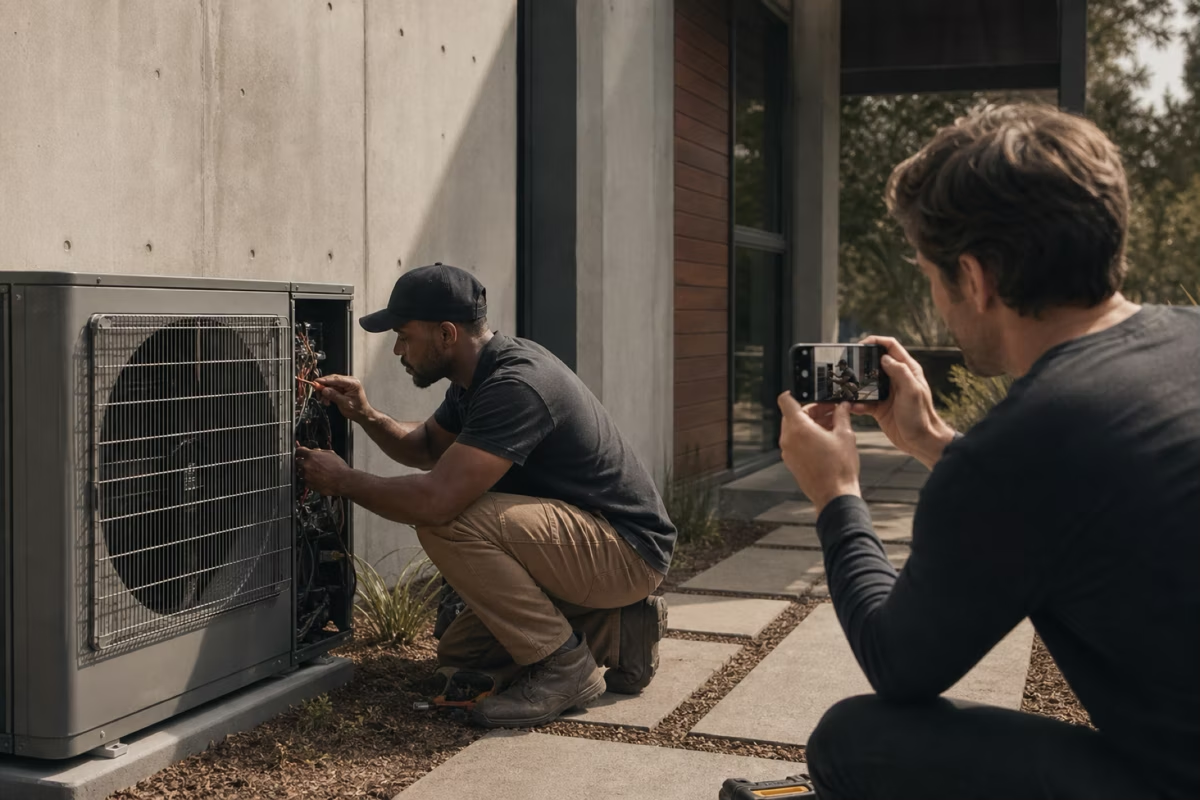
Technicians capture a few approved moments; BRND BLDRS handles the story, edit, caption, review batch, and publishing.
The working brief
These are starting decisions, not universal performance promises. The final plan should reflect your service area, capacity, project material, and goals.
A lighter lift
Your team knows the work, the client, and what happened. BRND BLDRS turns that raw knowledge and footage into a clear content system—strategy, edits, copy, organized approval, and publishing—so visibility stops depending on a last-minute post.
See if we’re a fitQuestions prospects ask
Direct guidance for deciding what belongs in the plan and what to ask before hiring a partner.
Social can support rather than replace that urgent search. It keeps the company familiar before a breakdown, gives prospects recent proof after they find you, and creates useful material for email, sales follow-up, and recruiting. Judge it by its role in the full customer path, not by assuming it must become the only lead source.
It can influence and sometimes generate calls, but results depend on service area, offer, response speed, season, content, and whether paid media is involved. Separate organic management from advertising in the scope. Track calls, booking actions, qualified messages, and intake-source notes to understand contribution.
Facebook and Instagram are practical starting points for local visibility, team proof, and short educational video. TikTok or YouTube can make sense when the team can reliably supply useful video. Choose based on customer behavior, content capacity, and goal—not a universal platform ranking.
Use homeowner questions, maintenance explanations, technician spotlights, symptom-versus-diagnosis boundaries, install decisions, airflow or comfort stories, seasonal checklists, and what happens during a service visit. The goal is to make expertise and process visible without turning a post into unsafe remote diagnosis.
Explain signs, maintenance habits, decision factors, and when to call a qualified technician. Avoid step-by-step instructions involving electrical, refrigerant, combustion, or system-specific diagnosis. Have technical claims reviewed by the company before publishing and include the limits that matter.
Do not ask for content from every call. Use a short weekly or monthly capture target and a checklist of safe moments: arrival context, non-sensitive detail, explanation, clean install, or finished result. A social partner can turn a small amount of organized footage into several posts.
Choose based on required coverage. A freelancer can handle a defined specialty. An agency can combine planning, editing, design, and publishing without one full-time hire. An employee can be valuable when daily field access, recruiting, and fast operational coordination justify the role. Compare HVAC fluency, backup coverage, scope, ownership, and total cost.
Not automatically. Strategy, organic content, paid-media management, community replies, and lead response are different responsibilities. The proposal should state which platforms, tasks, response times, ad spend, and handoffs are included so dispatch and sales do not assume someone else is watching the inbox.
Use tagged links, platform insights, call or form source fields, booking data, and notes from dispatch or sales. Review qualified calls and booked work alongside reach and engagement. No single tool captures every influence, so combine tracking with a consistent 'how did you hear about us?' process.
Ask how it would plan around seasonality, repair versus replacement, dispatch capacity, service areas, technician capture, and safe technical boundaries. The agency should distinguish organic content, ads, message handling, and lead response, and should never promise a fixed result without knowing the market, offer, tracking, and operational capacity.
Keep exploring
Social media, handled
Reviewed July 29, 2026