01
Your taste stays recognizable
A clear voice, visual direction, and ideal-client filter keep the content specific to the studio rather than chasing every trend.
For interior designers
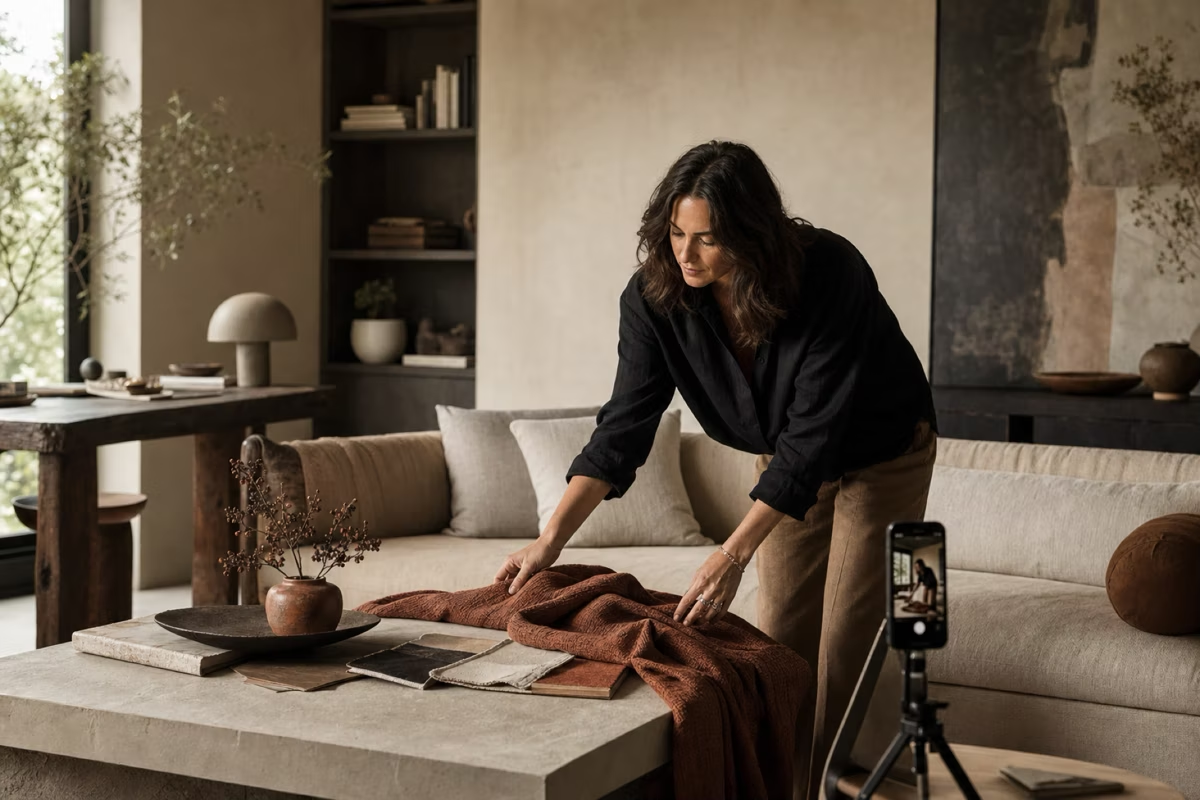
Social media management for an interior designer should preserve the studio’s point of view while turning each project into more than a final-room reveal. The best system combines professional photography, timely phone footage, process, materials, decisions, and a clear approval rhythm—so the studio stays visible without flattening its taste or becoming another content factory.
What the system needs
A useful content program has to fit the way the business actually operates.
01
A clear voice, visual direction, and ideal-client filter keep the content specific to the studio rather than chasing every trend.
02
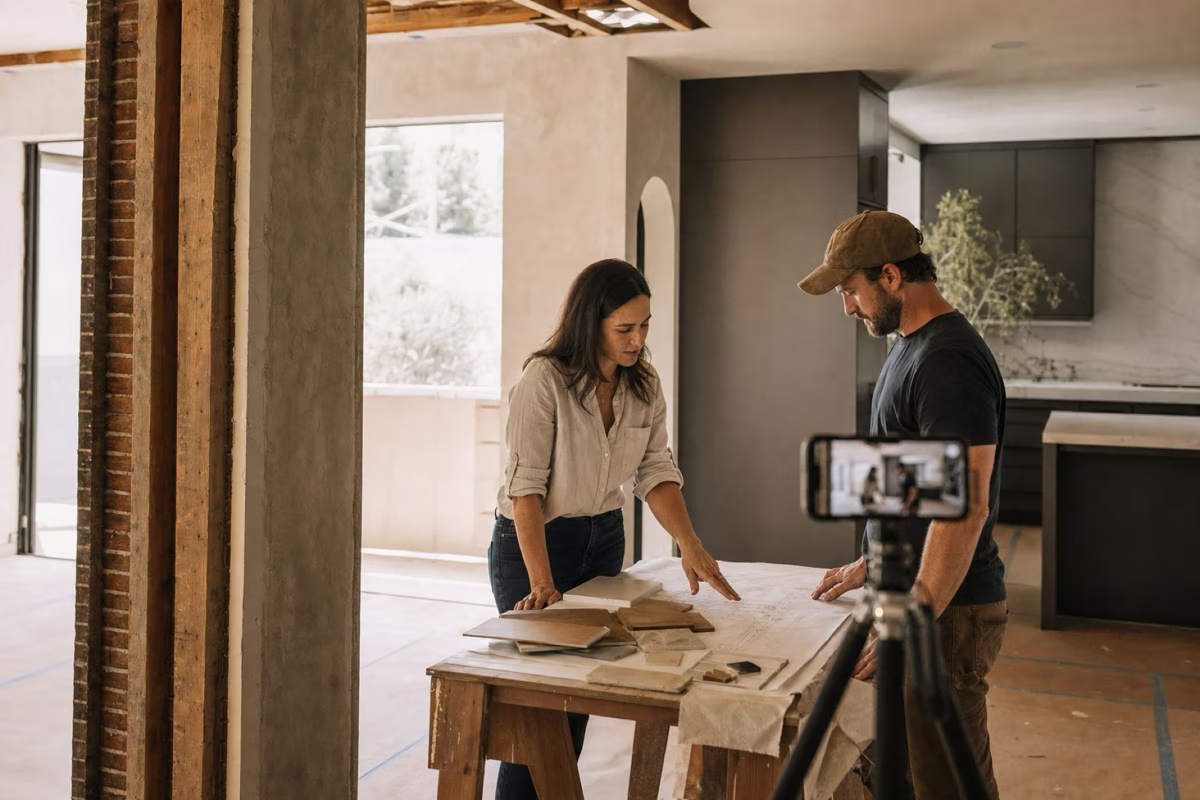
The brief, constraints, selections, details, process, installation, and reveal become distinct content—not endless repeats of one room.
03
Professional images and useful phone footage work together in an organized review and publishing system.
The working brief
These are starting decisions, not universal performance promises. The final plan should reflect your service area, capacity, project material, and goals.
A lighter lift
Your team knows the work, the client, and what happened. BRND BLDRS turns that raw knowledge and footage into a clear content system—strategy, edits, copy, organized approval, and publishing—so visibility stops depending on a last-minute post.
See if we’re a fitQuestions prospects ask
Direct guidance for deciding what belongs in the plan and what to ask before hiring a partner.
Start with a documented point of view: ideal projects, visual boundaries, words you use and avoid, references, and the role the founder should play. Review a small pilot batch before scaling. A good partner should interpret the studio, ask why choices were made, and make approvals easier—not substitute a generic luxury template.
It can improve the odds by clearly signaling location, project type, process, budget fit where appropriate, and the problems the studio solves. Beautiful images alone often attract broad inspiration. Pair them with specific project context and a clear path to inquire, then measure the quality of inquiries rather than audience size alone.
Instagram is a strong home base for visual story and recent proof. Pinterest can extend the life of project imagery and discovery. TikTok can work for process-led short video when it matches the brand. Facebook and Houzz may matter by market. Start with the smallest mix the studio can support well.
Show the brief, design tension, floor-plan thinking, materials, trade collaboration, installation, sourcing, styling, and the reason behind a decision. Introduce the people and process a future client will experience. The finished room earns attention; the thinking behind it builds confidence.
Professional photography is valuable for a lasting portfolio and press-quality presentation. Phone footage adds timing, movement, personality, and process that a final shoot cannot recreate. The strongest library often uses both, with clear permission and usage rights for every asset.
Organize it by story rather than room: client need, constraint, plan, palette, material detail, custom solution, trade collaboration, installation, styling, and reveal. Each can become a Reel, carousel, still, or caption. Reuse the project thoughtfully across formats without repeating the same message.
Confirm the client’s privacy permission and the usage rights granted by the photographer or other creator. The person who paid for a shoot does not automatically own every copyright. Follow the contracts, credit requirements, publication restrictions, and any privacy limits before assets enter the content plan.
A freelancer can be effective for one craft such as video editing or copy. A specialist agency can connect strategy, visual judgment, editing, approvals, and publishing. An employee may make sense when the studio needs frequent on-site capture and daily coordination. Review aesthetic fit, process, rights handling, backup coverage, and the exact scope.
The price depends on platforms, cadence, editing and design complexity, on-site shoots, photography, review rounds, publishing, reporting, and community or paid-media work. Ask for those items separately so a low quote is not simply missing the work the studio expects. Photography and on-site capture should be explicitly included or excluded.
Track qualified inquiries, consultation bookings, portfolio visits, saved or shared work, and what prospects mention during intake. Record first touch and influential touchpoints in the CRM or inquiry form. A long decision cycle makes consistent source notes more useful than judging a single post by immediate leads.
Keep exploring
Social media, handled
Reviewed July 29, 2026